











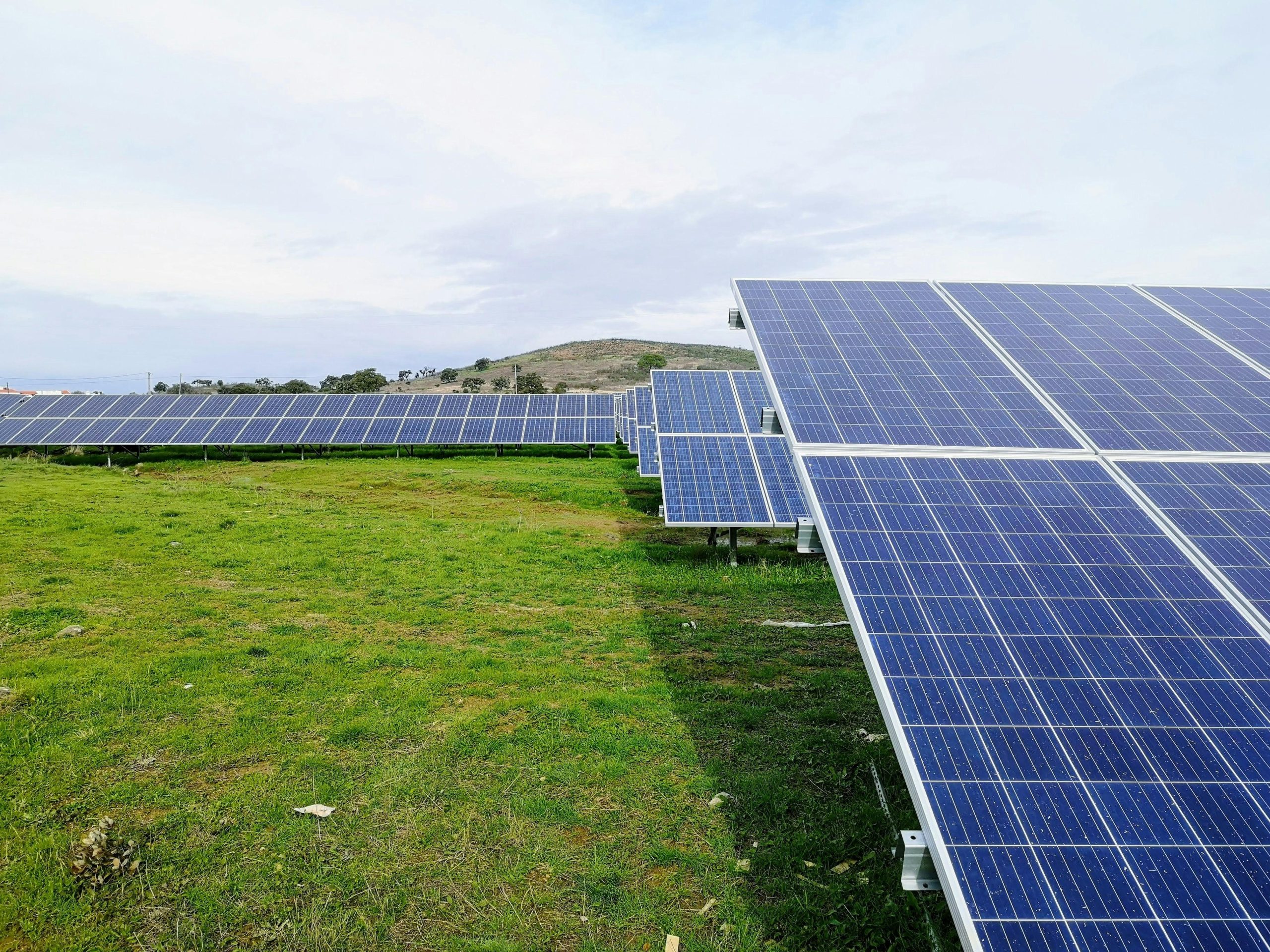
In the quest for a greener future, solar energy has emerged as a beacon of hope, promising to harness the sun’s abundant power and reduce our reliance on fossil fuels. With its allure of sustainability and potential for cost savings, the decision to go solar seems like a no-brainer for environmentally conscious homeowners. However, beneath the gleaming panels and optimistic projections lies a landscape of hidden costs and unforeseen challenges that can catch even the most well-intentioned individuals off guard. As we peel back the layers of this radiant industry, it’s crucial to illuminate the less visible aspects that accompany the transition to solar energy. This article aims to shine a light on the often-overlooked financial and logistical considerations that could impact your solar journey, ensuring you’re fully equipped to make an informed decision that aligns with both your values and your budget.
Navigating Installation Complexities Understanding Long-Term Maintenance Commitments Financial Incentives and Their Hidden Pitfalls Strategic Planning for Optimal Solar Efficiency
Embracing solar energy isn’t just about harnessing the sun’s power; it’s a journey through complex layers of installation, maintenance, and financial strategizing. Installation complexities can emerge as a formidable challenge, often requiring a meticulous understanding of your property’s unique needs and the technical intricacies involved. The need for long-term maintenance commitments cannot be overstated, as these systems, while robust, require regular upkeep to maintain peak efficiency. Neglecting these commitments could lead to diminished performance and unexpected costs, turning your eco-friendly investment into a financial burden.
While the allure of financial incentives such as tax credits and rebates is enticing, it’s crucial to be wary of their hidden pitfalls. These incentives often come with stipulations that might limit your choices or tie you into longer-term agreements than initially anticipated. A well-structured strategic planning approach is essential to optimize solar efficiency, ensuring that your system not only meets current energy needs but is also scalable for future demands. Consider these elements carefully, and your solar investment will not only be sustainable but also economically sound.
- Installation Complexities: Customization and technical challenges
- Maintenance Commitments: Regular check-ups and potential upgrades
- Financial Incentives: Understand terms and conditions thoroughly
- Strategic Planning: Future-proof your energy solutions
In Conclusion
As we draw the curtains on our exploration of the hidden costs of going solar, it’s clear that the journey to harnessing the sun’s energy is as layered as the rays it emits. While the allure of sustainable energy shines brightly, it’s essential to navigate the shadows where unexpected expenses might lurk. By arming yourself with knowledge and asking the right questions, you can illuminate these potential pitfalls and make informed decisions that balance both your environmental aspirations and financial realities. Whether you’re a solar pioneer or a cautious explorer, understanding these hidden costs ensures your path to solar is as clear and bright as the sunlit future it promises.